Shark Surveys

Sundarbans Nursery Habitat Project Searching for safe havens for three Critically Endangered rays

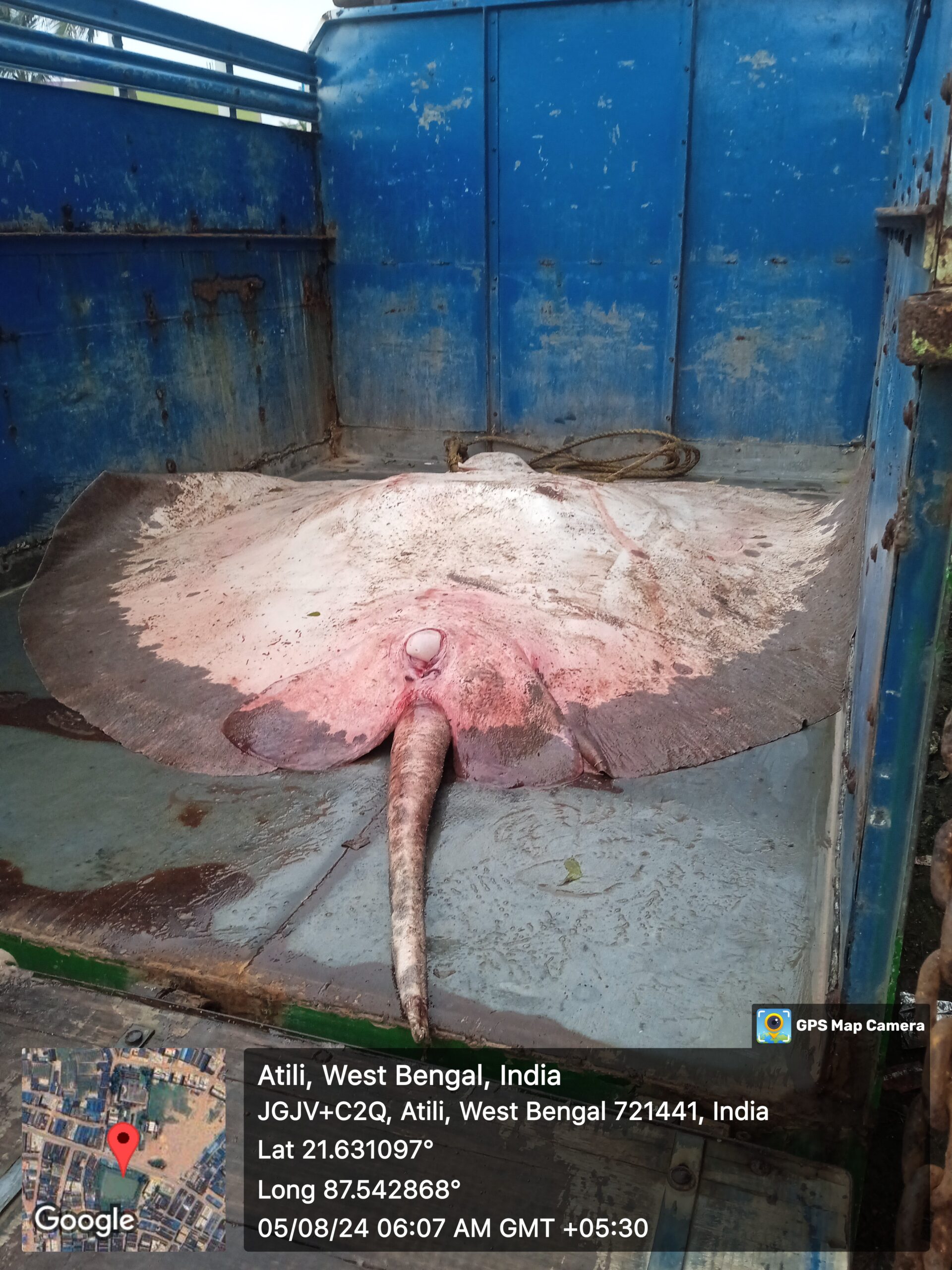
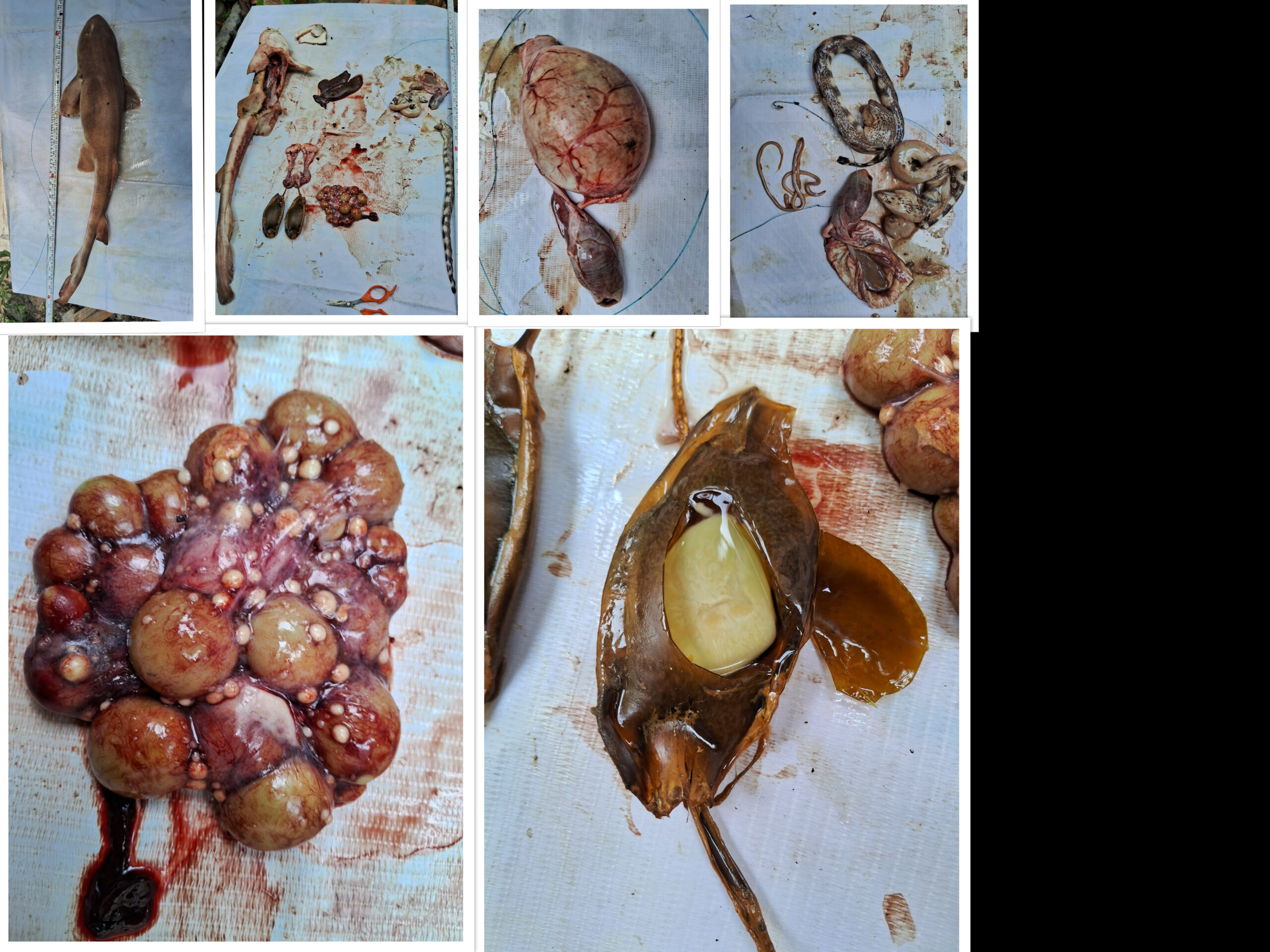
This ongoing project investigates near-coastal waters of the Sundarbans biosphere reserve as a potential nursery ground  Critically Endangered elasmobranch species especially the scalloped hammerhead (Sphyrna lewini), giant freshwater whipray (Urogymnus polylepis), and widenose guitarfish (Glaucostegus obtusus). Supported by Sarisha Wildlife and Ecology and the Wildlife Trust of India, in collaboration with a local conservation NGO, the project aims to identify critical juvenile habitats within one of the world’s most biodiverse and threatened coastal ecosystems, informing future conservation and fishery management strategies.

Harbour & Landing Site Surveys Tracking elasmobranchs from the sea to the shore

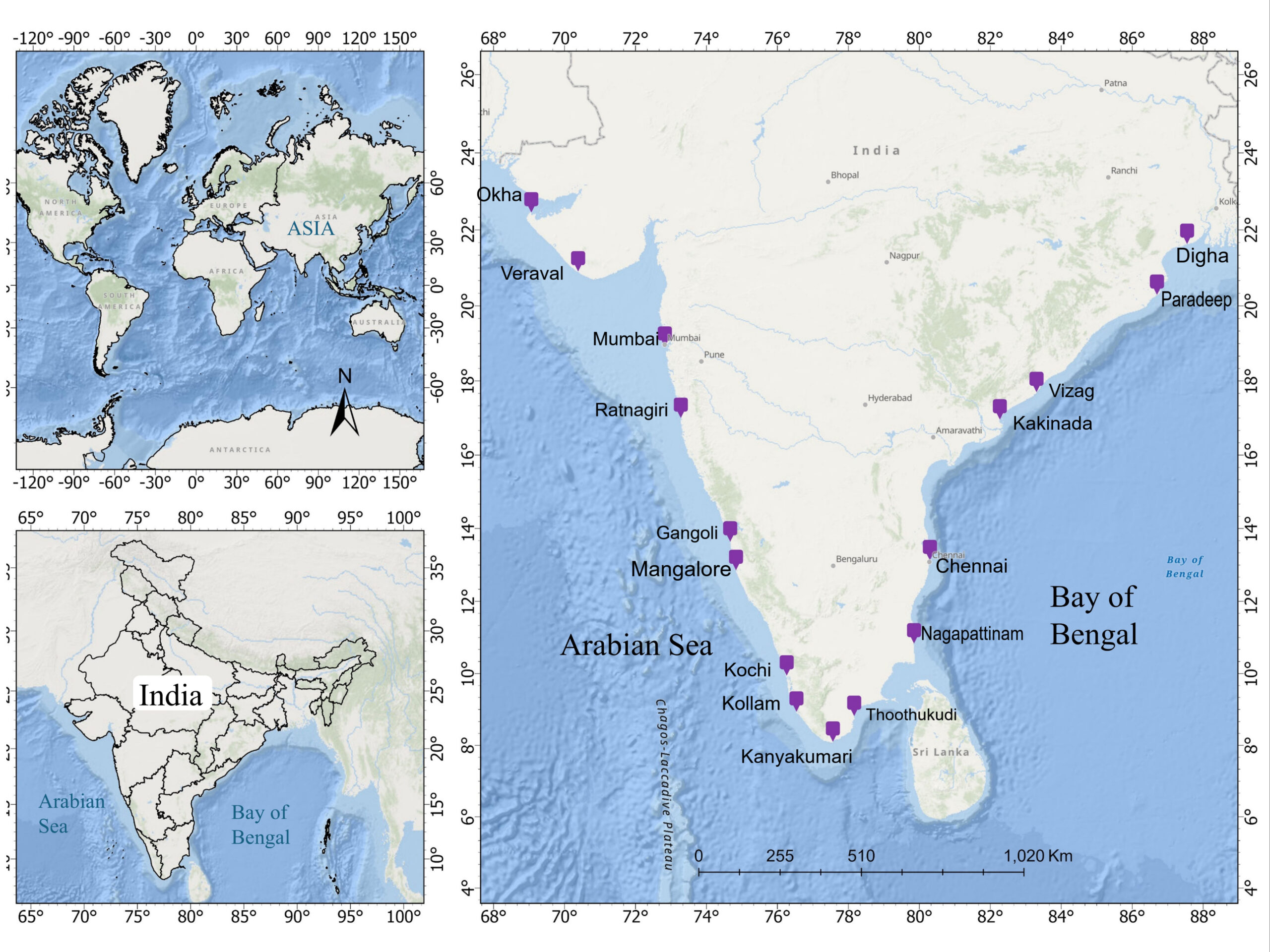
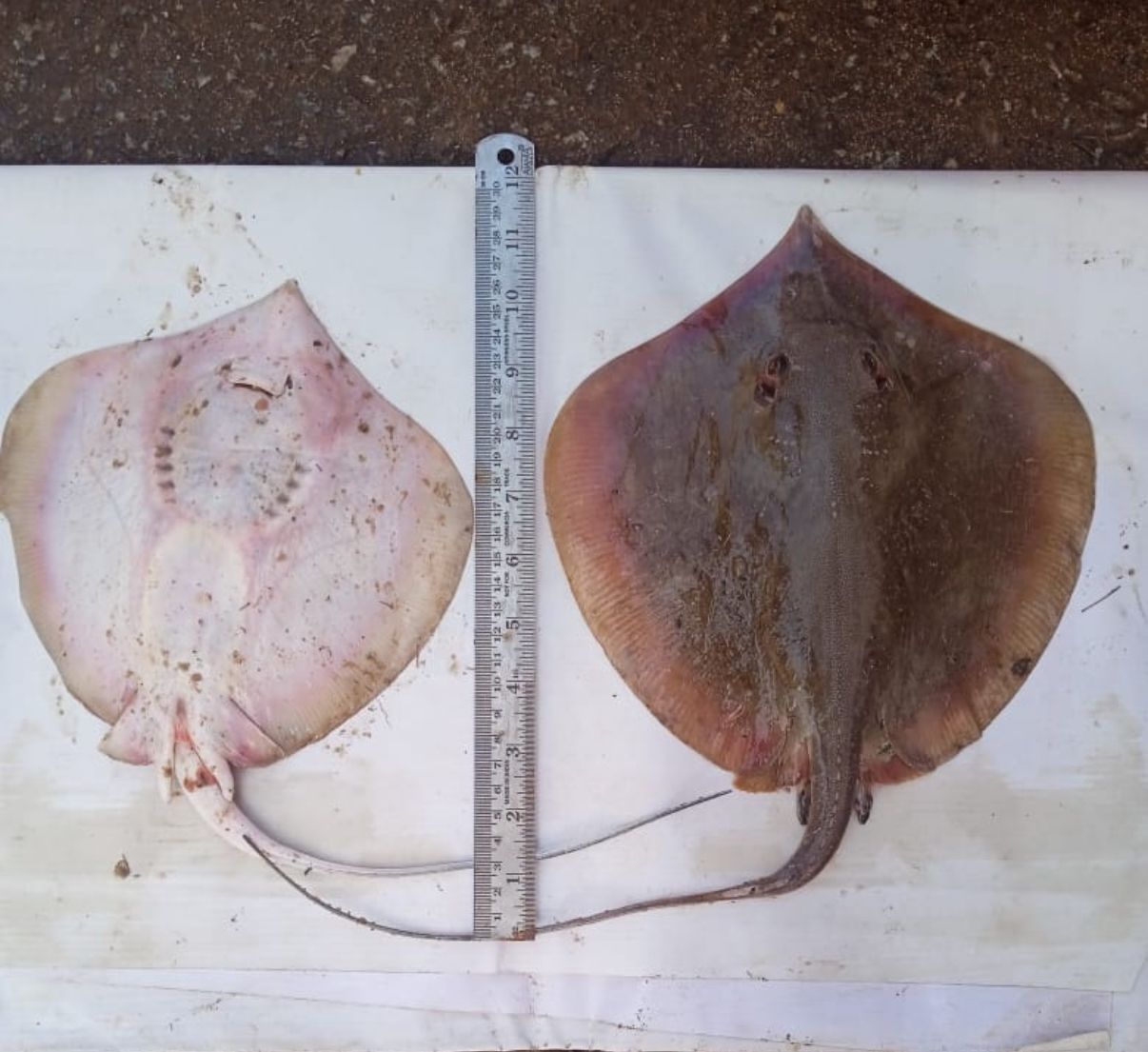
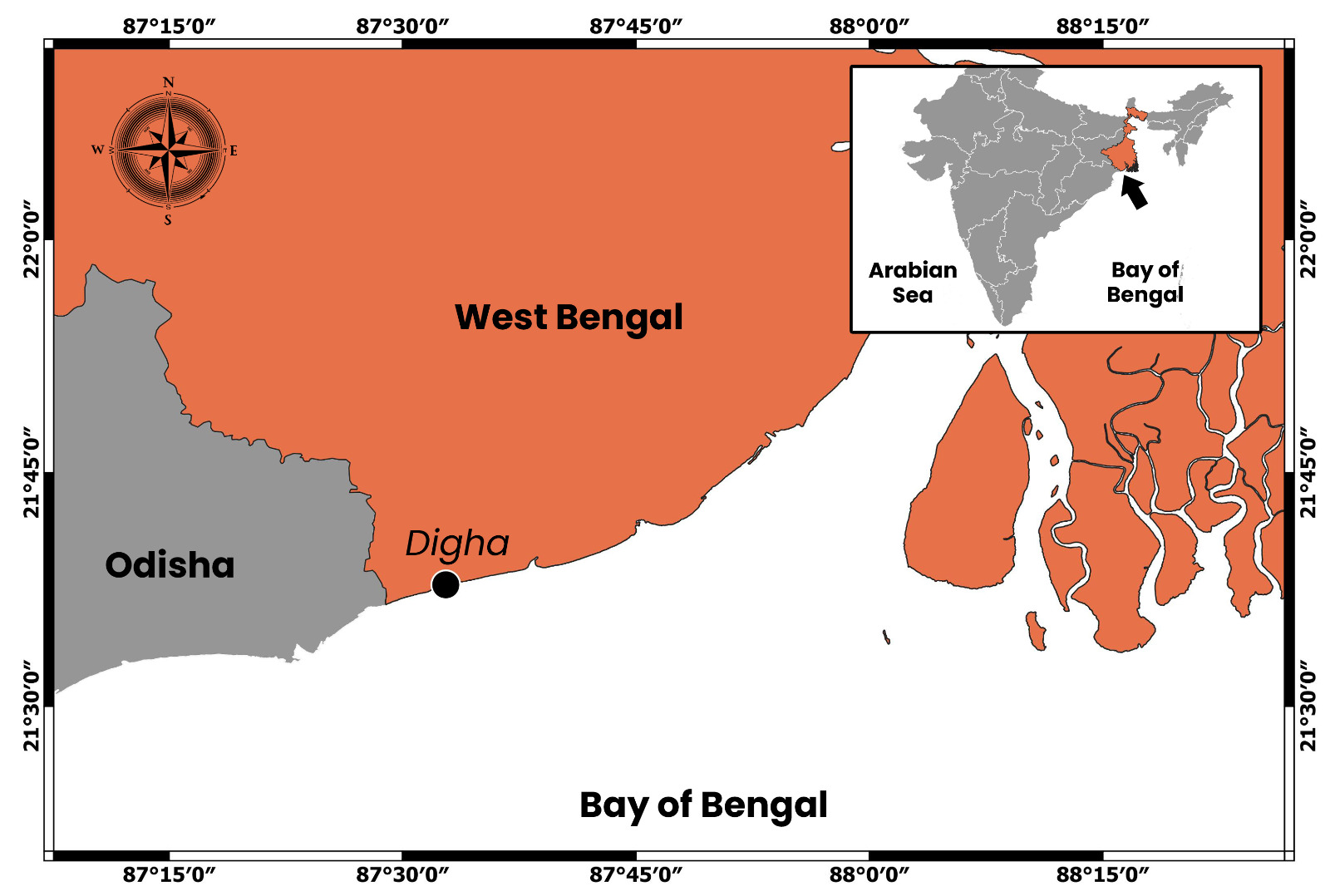
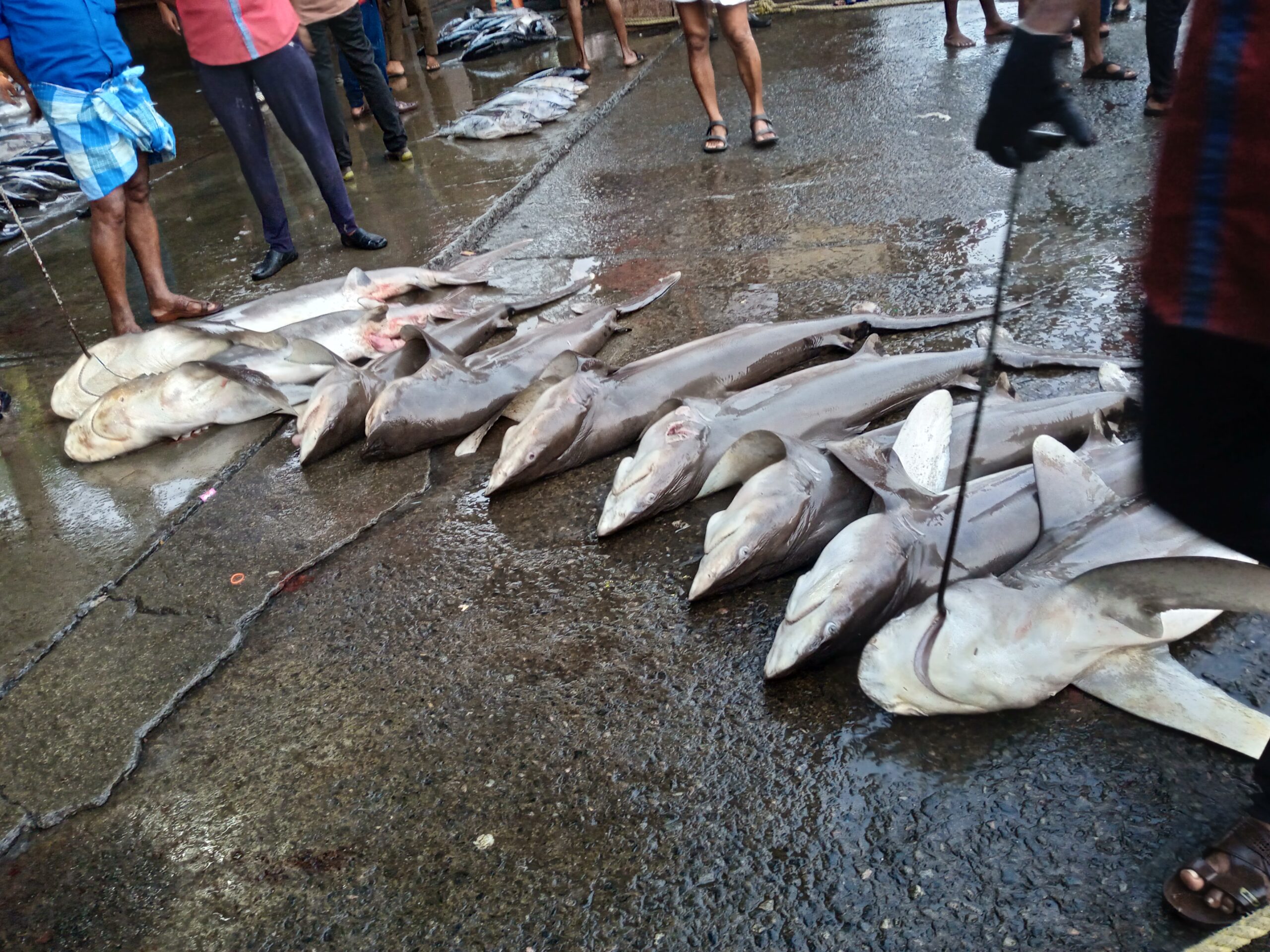
Through structured surveys across major fishing harbours and fish markets along India’s east and west coasts, this work documents elasmobranch landings, species composition, and trade patterns. Total major harbour surveyed 22 including east and west coast among them some notable ones include Mangaluru (Karnataka), Therkuvadi (Tamil Nadu), and Bankra, Digha, and Kankinara (West Bengal/Andhra Pradesh). Combining direct observation with structured interviews of fishers and vendors, this research has revealed new geographic range records and critical population trend data for several threatened ray species, including significant population declines linked to overfishing.
Baseline Diversity and Distribution Research, Mapping India’s shark and ray diversity, coast to coast

As the core of his doctoral research, this multi-year survey provides one of the first comprehensive baselines of elasmobranch diversity across India’s east and west coastlines. The study identified 73 species in commercial catches, documenting patterns in critically endangered species representation, juvenile catch rates, and cases of local population decline or extirpation. This baseline now underpins conservation planning and serves as a reference point for tracking future changes in India’s shark and ray populations.

Conferences & Outreach, Bringing shark science to the world stage

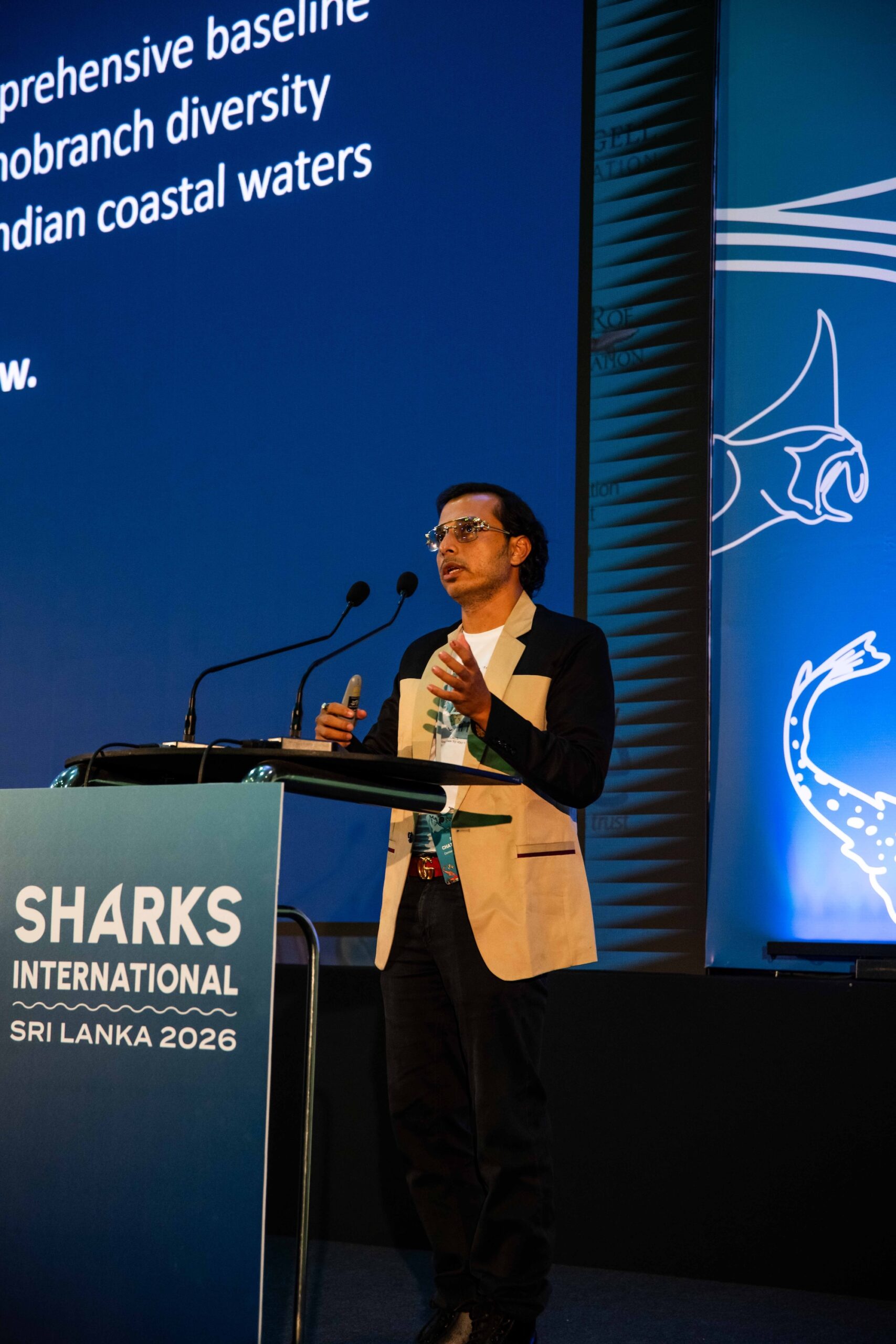
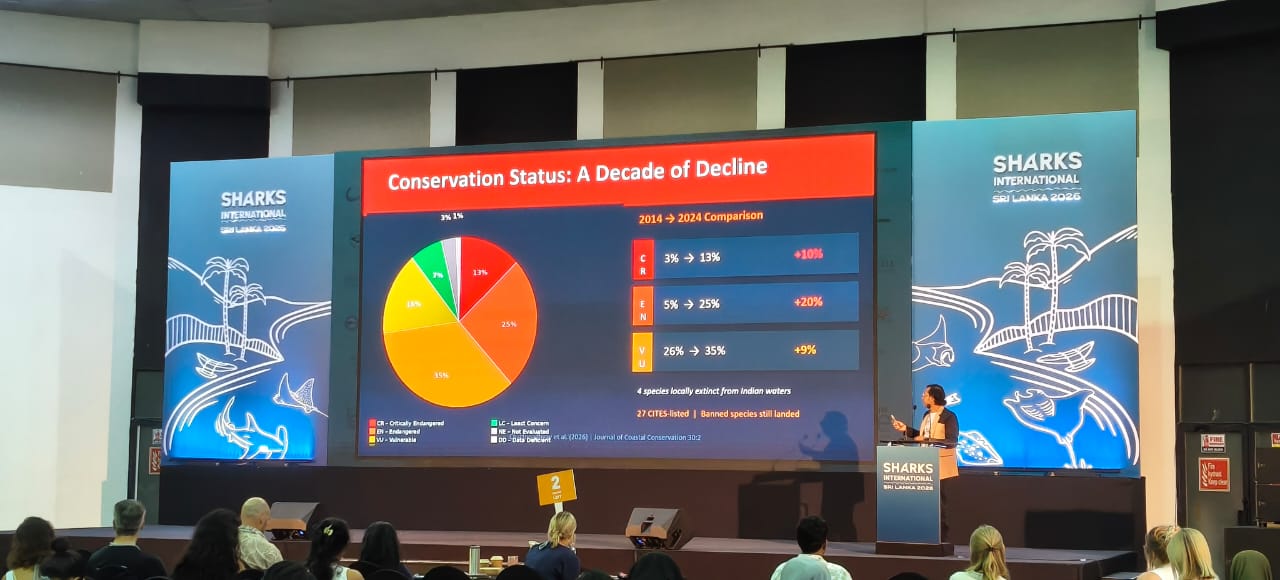
Beyond fieldwork and publication, communicating research to both scientific and public audiences is a core part of this work. Recent engagements include presenting research findings at Sharks International 2026 in Colombo, Sri Lanka, and delivering a public webinar on marine biodiversity and shark/ray conservation for the Sarisha Wildlife and Ecology Society. Looking ahead, he will serve as a symposium chair at the International Marine Conservation Congress (IMCC8) in Edinburgh in November 2026.

Gallery

Snapshots from fieldwork and conservation efforts across oceans.