Let’s dive deep into the world of Sharks and Rays with Sourav

Documenting India’s shark and ray diversity-from coast-wide baseline surveys to Critically Endangered nursery habitats

Sundarbans Nursery Habitat Project

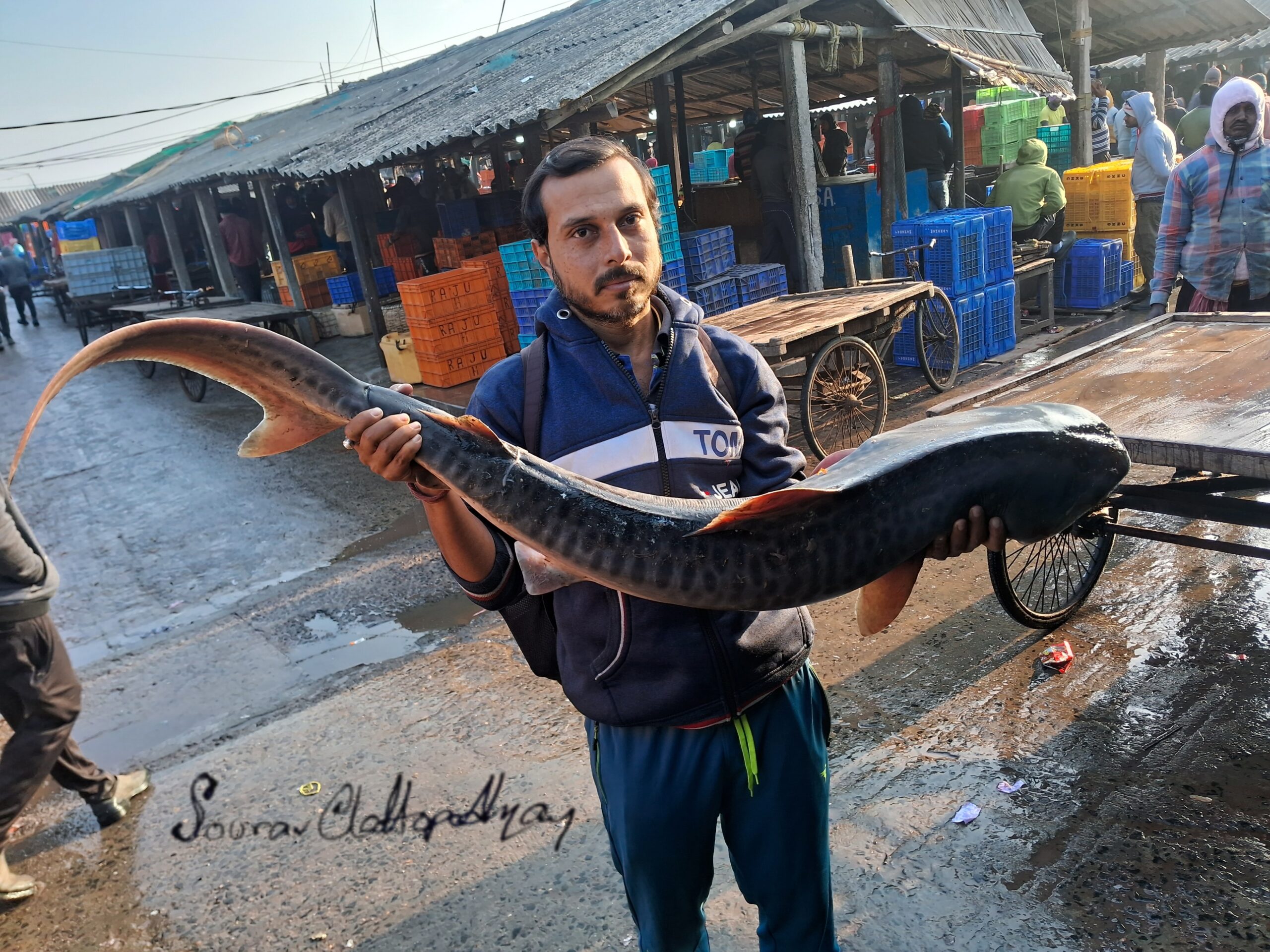
This ongoing project investigates near-coastal waters of the Sundarbans biosphere reserve as a potential nursery ground for three Critically Endangered elasmobranch species: the scalloped hammerhead (Sphyrna lewini), giant freshwater whipray (Urogymnus polylepis), and widenose guitarfish (Glaucostegus obtusus). Supported by Sarisha Wildlife and Ecology and the Wildlife Trust of India, in collaboration with a local conservation NGO, the project aims to identify critical juvenile habitats within one of the world’s most biodiverse and threatened coastal ecosystems, informing future conservation and fishery management strategies.

Harbour & Landing Site Surveys

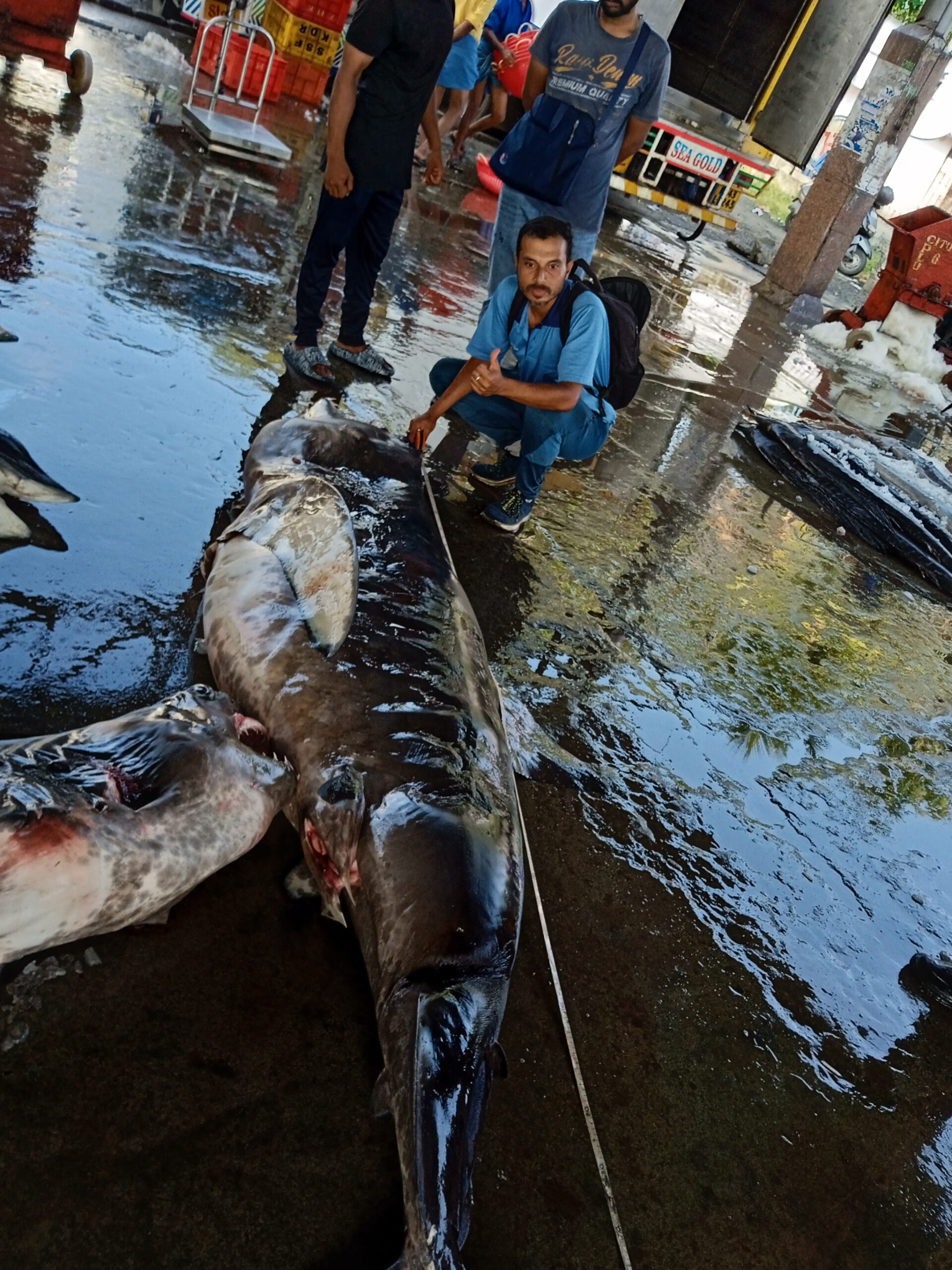
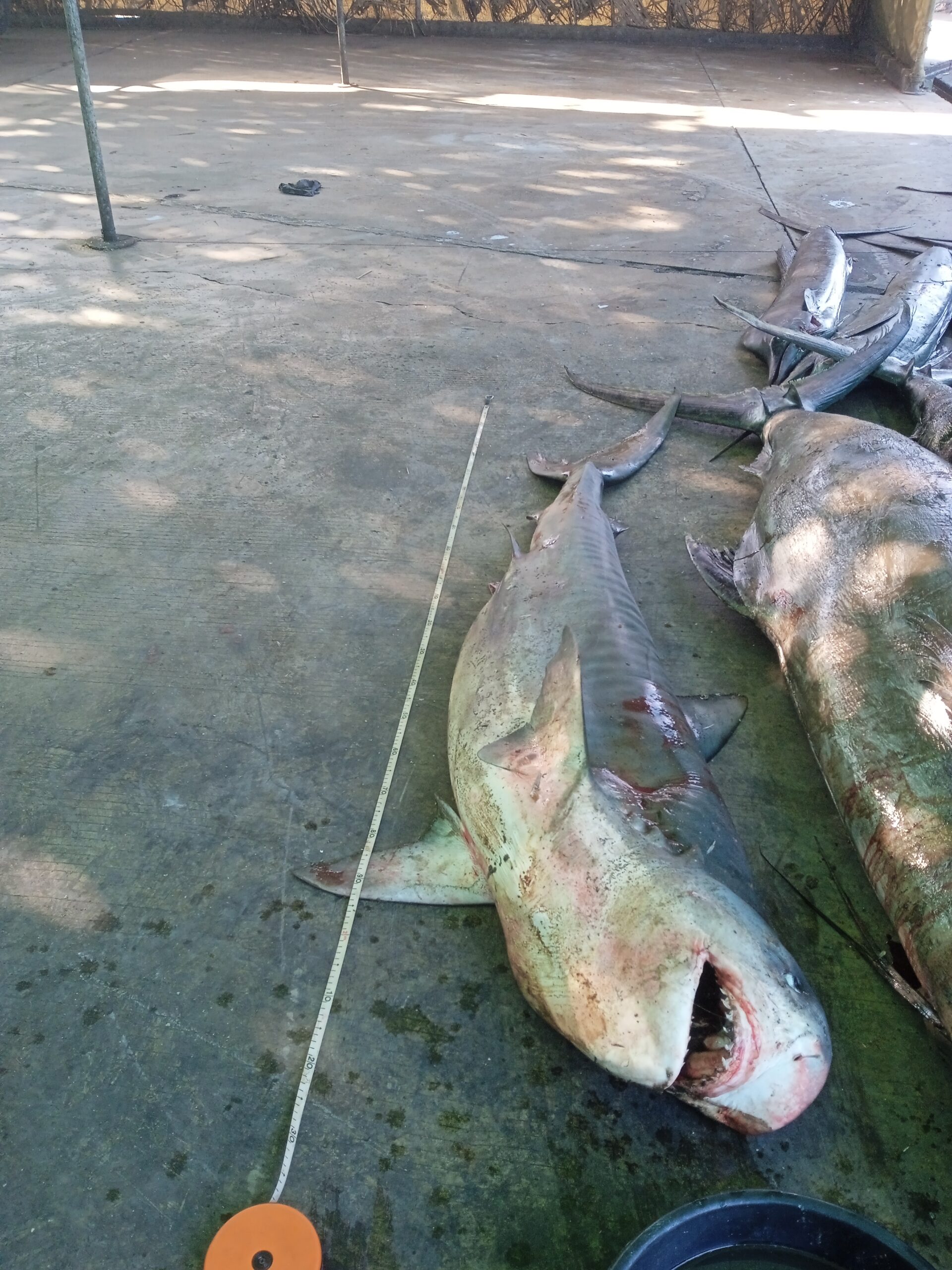
Through structured surveys across major fishing harbours and fish markets along India’s east and west coasts, this work documents elasmobranch landings, species composition, and trade patterns. Sites surveyed include Mangaluru (Karnataka), Therkuvadi (Tamil Nadu), and Bankra, Digha, and Kankinara (West Bengal/Andhra Pradesh). Combining direct observation with structured interviews of fishers and vendors, this research has revealed new geographic range records and critical population trend data for several threatened ray species, including significant population declines linked to overfishing.

Academic Work

1. New reports reveal novel habitats and geographic range extension of endangered Urogymnus rays across the Indian coastal and riverine ecosystems. Environmental Biology of Fishes, 109:79. https://doi.org/10.1007/s10641-026-01846-4

2. Exploring the elasmobranch diversity, distribution, and conservation status: a comparative study of India’s west and east coast with insights into commercial catches. Journal of Coastal Conservation, 30:2. https://doi.org/10.1007/s11852-025-01176-0
 
3.Landing records of elusive crocodile sharks Pseudocarcharias kamoharai (Pseudocarchariidae) from India. Thalassas: An International Journal of Marine Sciences. https://doi.org/10.1007/s41208-025-00821-7
 
4. Empowering local practitioners to collect and report on anthropogenic riverine and marine debris using inexpensive methods in India. Sustainability, 14(3), 1928 https://doi.org/10.3390/su14031928

Field Expeditions

1.  Structured Harbour & Landing Site Surveys
Structured surveys across fishing harbours and markets along India’s east and west coasts — including Mangaluru, Therkuvadi, Bankra, Digha, and Kankinara — documenting elasmobranch landings and fisher ecological knowledge.
2. Calculating impacts of bottom trawling activities in Tamil Nadu Harbour.
3. Scientific Beach clean up and volunteering Initiative 
4. Collecting muscle tissues for elasmobranch maturity and D.N.A analysis.
5. Fostering Community outreach and engagement activities