Understanding Shark and Ray Conservation
Sharks and rays are integral components of marine ecosystems, playing crucial roles in maintaining the health and balance of the ocean. Unfortunately, overfishing, habitat destruction, and climate change have placed these species in grave danger. Conservation efforts are vital to preserve not only their populations but also the overall marine biodiversity. Understanding the significance of these species is the first step toward effective conservation.
Current Challenges in Marine Conservation
Sharks and rays face numerous threats, principally due to human activities. Overfishing remains a primary concern, particularly given the high demand for shark fins and certain ray species. Additionally, habitat degradation from coastal development and pollution further complicates their survival. Addressing these challenges requires comprehensive policy frameworks and the cooperation of global communities.
Strategies for Effective Conservation
To successfully conserve sharks and rays, various strategies can be implemented. These include establishing marine protected areas (MPAs), promoting sustainable fishing practices, and raising public awareness about the importance of these species. Collaborative efforts among scientists, conservationists, and policymakers are essential in fostering the needed change. Engaging local communities in conservation initiatives ensures that efforts are not just top-down but rather encompass grassroots involvement, which is crucial for long-term success.
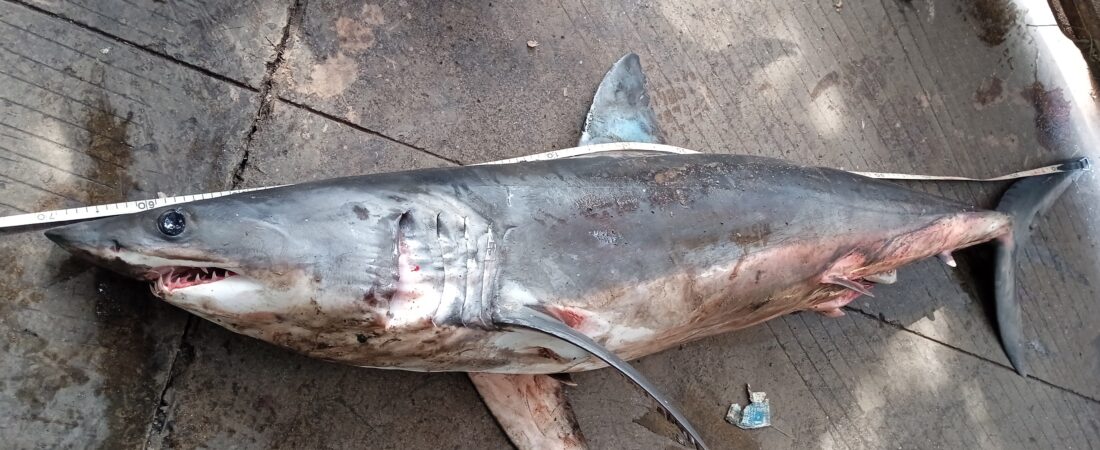
Unfortunately, India continues to be one of the top elasmobranch suppliers and requires the strictest of protection. Many elasmobranch species in India are already extinct, and many are threatened with extinction. Elasmobranchs are mostly caught as bycatch and sold for their meat and fins. Sometimes the liver of many deep-water species is sold for its high squalene content. To stop this rampant overfishing, a collaboration initiative must be undertaken by the government, NGOs, and research groups.